

Ānāpānasati: the Buddha’s way with the breath
The sixteen steps of mindfulness of breathing, as the Buddha taught them, in four groups of four. What each group trains, and how to begin with the first.
සිංහලෙන් කියවන්න
Ānāpānasati means mindfulness, sati, of the in-breath and out-breath, ānāpāna. It is the meditation the Pali texts say the Buddha practised on the night of his awakening, and the one most taught in Sri Lanka’s forest monasteries today. The full instruction is in the Ānāpānasati Sutta, the 118th discourse of the Majjhima Nikāya.
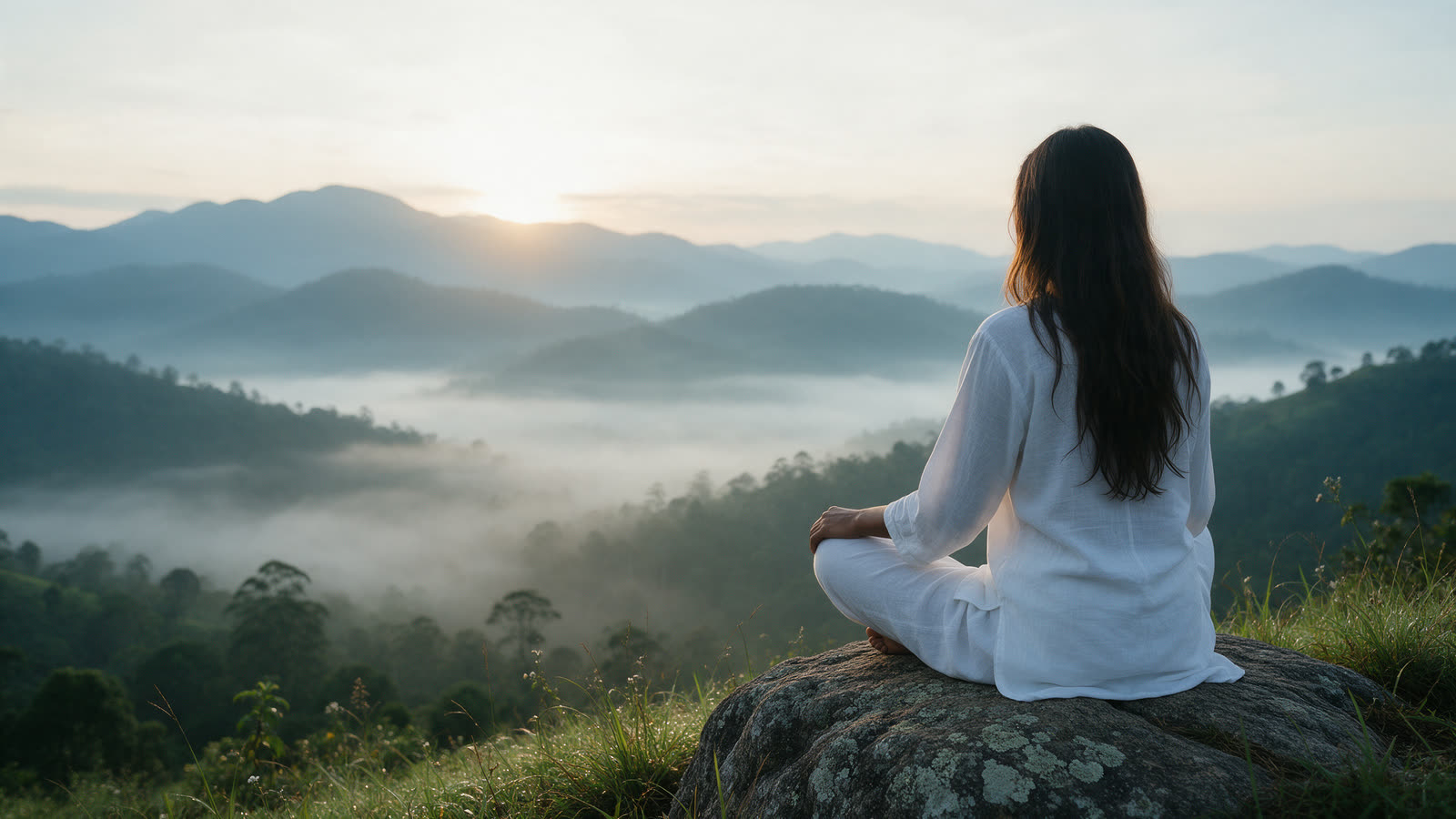
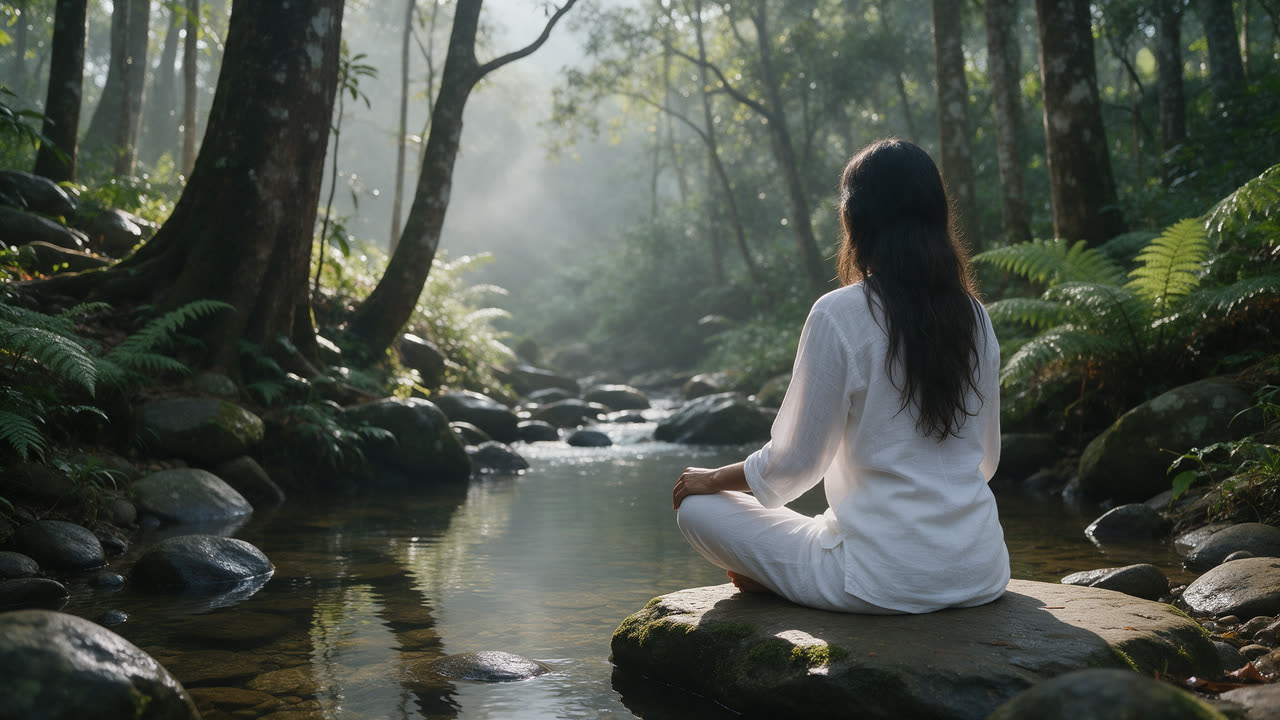
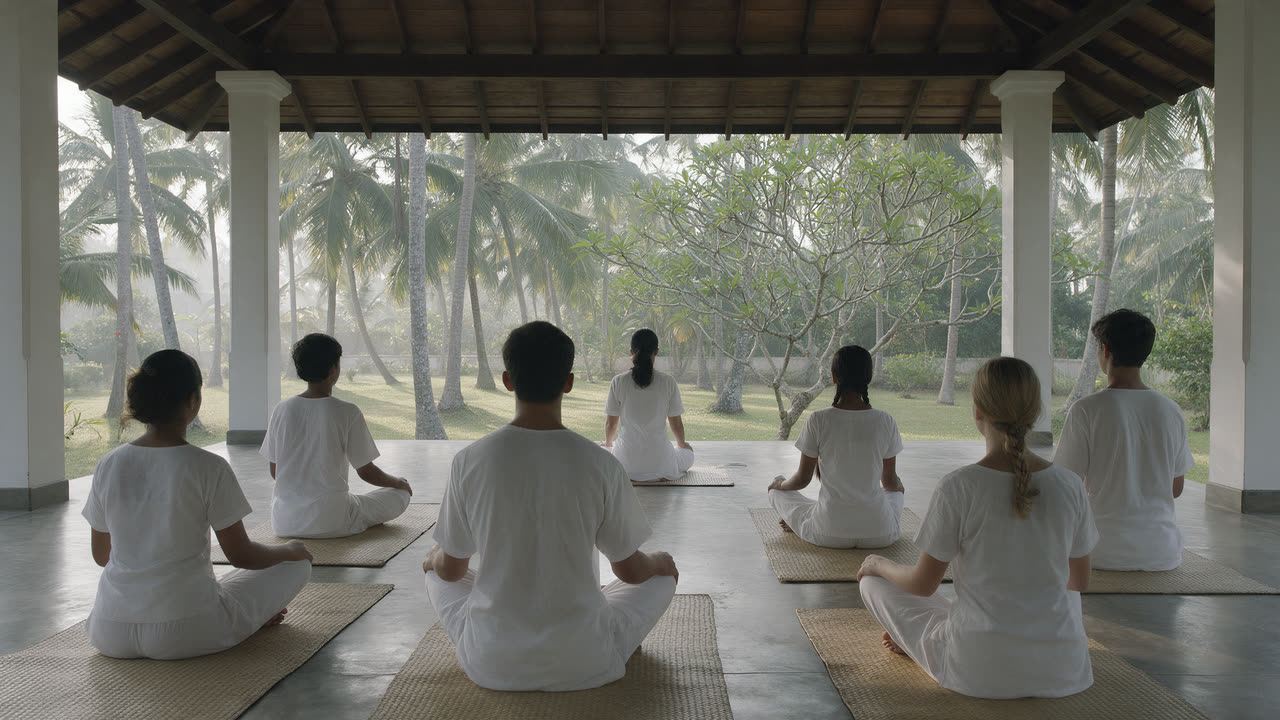
It begins plainly. Go to a quiet place, the root of a tree or an empty room. Sit down, cross the legs, set the body upright, and establish mindfulness in front of you. Then: breathing in long, know that you breathe in long. Breathing out short, know that you breathe out short.
Sixteen steps, in four groups
The sutta lays out sixteen steps. They fall into four groups of four, and each group trains one of the four foundations of mindfulness.
- The body. Knowing a long breath; knowing a short breath; feeling the whole body as you breathe; letting the body’s activity calm.
- Feeling. Breathing with joy; breathing with ease; knowing the mind’s activity; letting it calm.
- The mind. Knowing the mind; gladdening it; steadying it; freeing it.
- Seeing clearly. Seeing impermanence; seeing fading; seeing ending; seeing letting go.
It is a path from the first breath of a beginner to insight, all on one object. Most people spend months, even years, in the first group. That is not slow progress. It is the practice.
How to begin
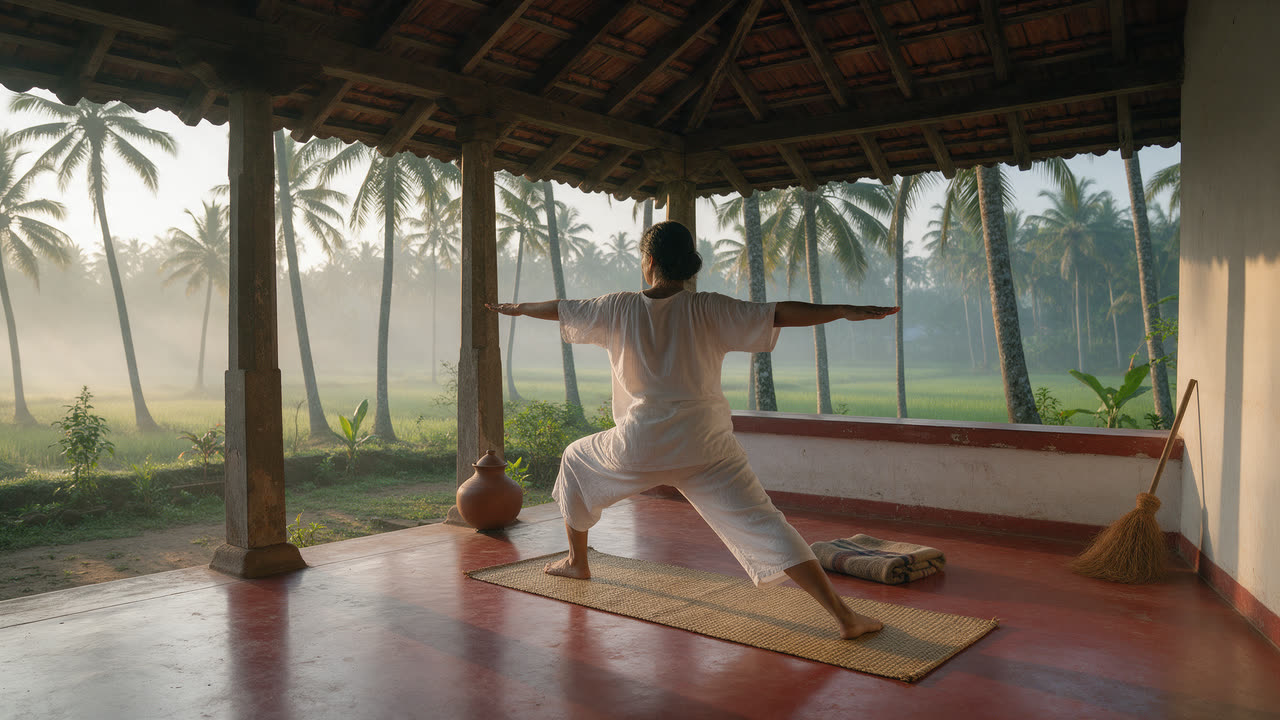
- Sit as the yoga chapter teaches: hips a little higher than the knees, spine upright, hands resting.
- Let the breath be as it is. Do not slow it or deepen it, unlike prāṇāyāma.
- Feel it at one place: the nostrils, or the rise and fall of the belly.
- When the mind wanders, and it will, notice where it went, and come back. Every return is one repetition of the training.
- Ten minutes a day. The guided sits in the meditation chapter, in Sinhala and English, walk you through the first four steps.
Breath and breath
Prāṇāyāma steers the breath; ānāpānasati watches it. Both have a place. In this path you learn to slow the breath in the yoga step, so the body is calm, and then you let go of control in the meditation step, so the mind can see what is there.