

One ground, two paths: yoga and the Buddha’s teaching
The Buddha learned meditation from yoga teachers, then went further. What the two traditions share, where they part, and why this site teaches from both.
සිංහලෙන් කියවන්න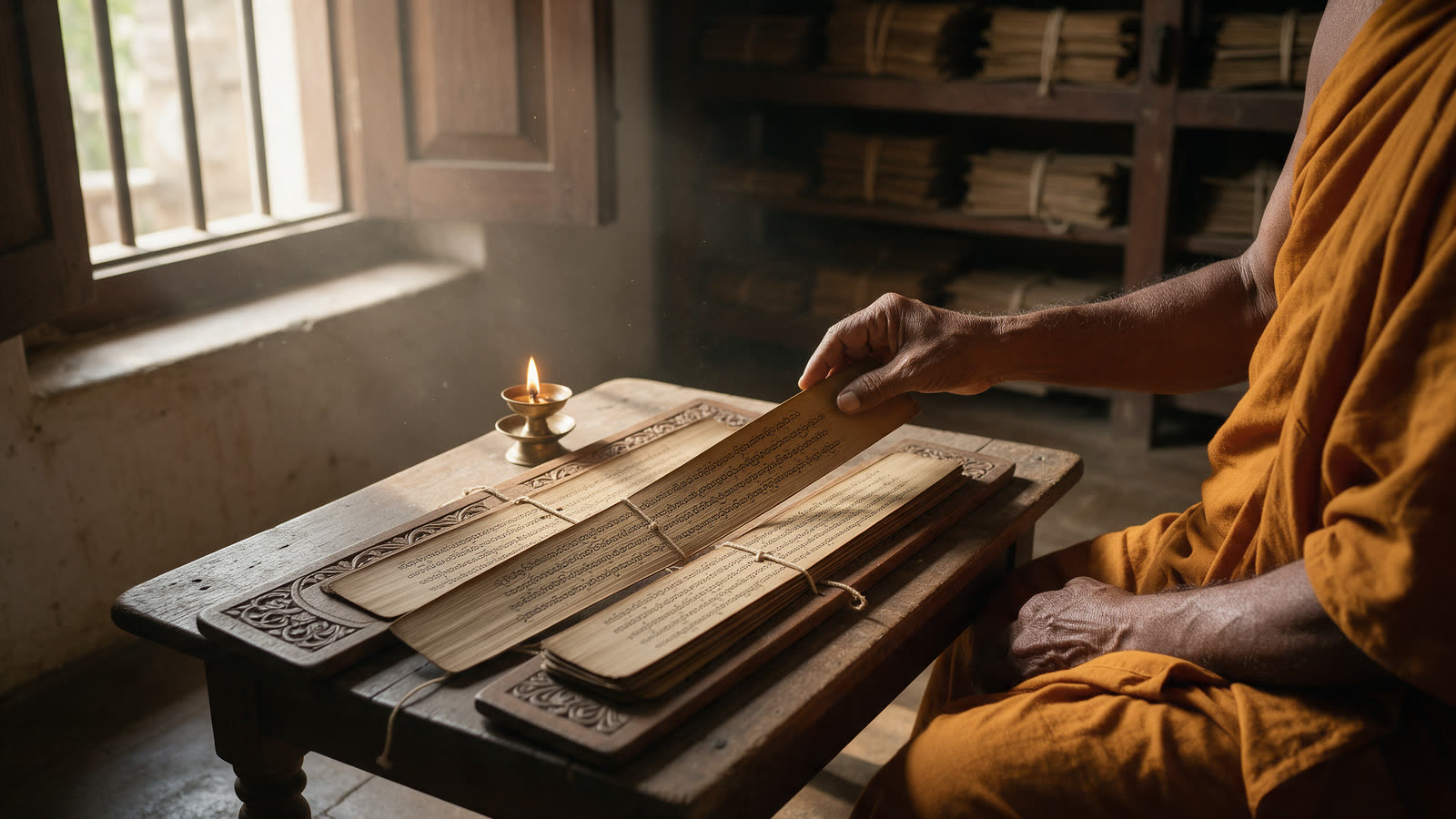
Before he was the Buddha, Siddhattha Gotama was a wandering yogi. The Pali texts name his first two teachers: Āḷāra Kālāma, who taught him the meditative state called the sphere of nothingness, and Uddaka Rāmaputta, who taught him the sphere of neither perception nor non-perception. He mastered both, and left both. They were deep and peaceful, he said, but they ended when the meditation ended. They did not end suffering.
So the two traditions grew from the same ground. They share more than most people expect.
What they share
Conduct comes first. Patañjali’s Yoga Sūtra begins its eight limbs with the yamas, five restraints: non-harming, truthfulness, not stealing, sexual restraint and non-grasping. The Buddha’s path begins with sīla, and the five precepts a Sri Lankan lay person takes on a Poya day are close to the same list. Neither tradition thinks you can still a mind that is busy harming.
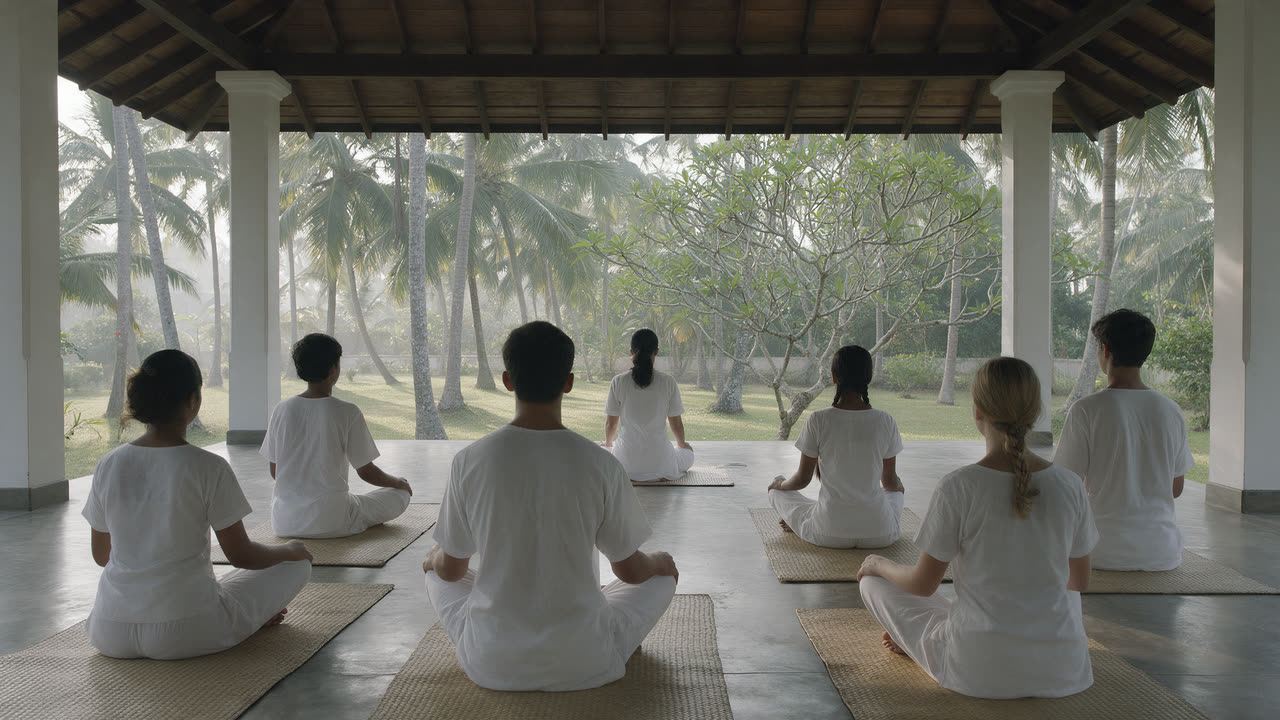
The body is the place to start. Patañjali asks for a seat that is steady and easy. The Buddha’s instructions for breath meditation begin with sitting down, legs crossed, body upright. Posture is not the goal in either. It is the condition.
Attention is trained, not wished for. Yoga calls the training dhāraṇā and dhyāna, holding attention and letting it rest. The Buddha’s word for the second is jhāna, the Pali form of the same Sanskrit word.
Where they part
The difference is in what the practice is for. Classical yoga aims at kaivalya, the separation of a pure, unchanging witness, puruṣa, from everything that changes. The Buddha looked for that unchanging self and did not find it. His teaching of anattā, not-self, says that nothing in body or mind is a fixed owner standing behind experience. Liberation, for him, is not finding the true self but seeing clearly that experience goes on without one, and letting go.
This is a real difference, and it matters to people who hold either view. It is also one you do not need to settle before you sit down.
Why this site teaches from both
The practices here, the cleansing ritual, the ten foundations of yoga and the guided sits, are the ground the two traditions share. Slow breathing works the same way whatever you believe about the self. A steady seat is a steady seat.
Sri Lanka is a Theravāda country, and the meditation taught here comes from that tradition. Yoga is offered as its preparation, which is how the Buddha himself began. Read the differences with interest. Practise the common ground.